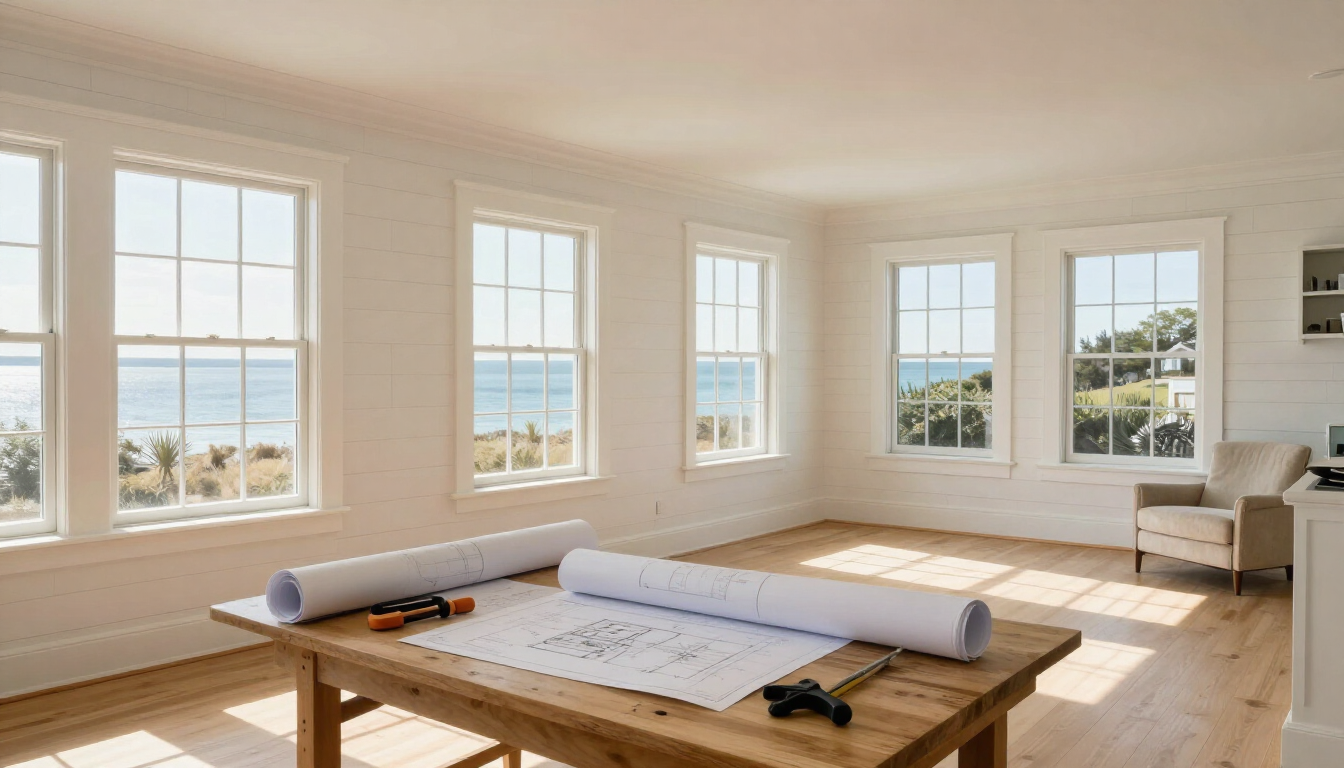
How to Choose New Construction on Cape Cod
New construction real estate on Cape Cod offers buyers modern systems, energy-efficient design, warranty protection, and the opportunity to personalize a home. The best results come from evaluating the builder, building plans, site conditions, contract terms, allowances, inspections, and total project costs—not just the finishes shown in a model home.
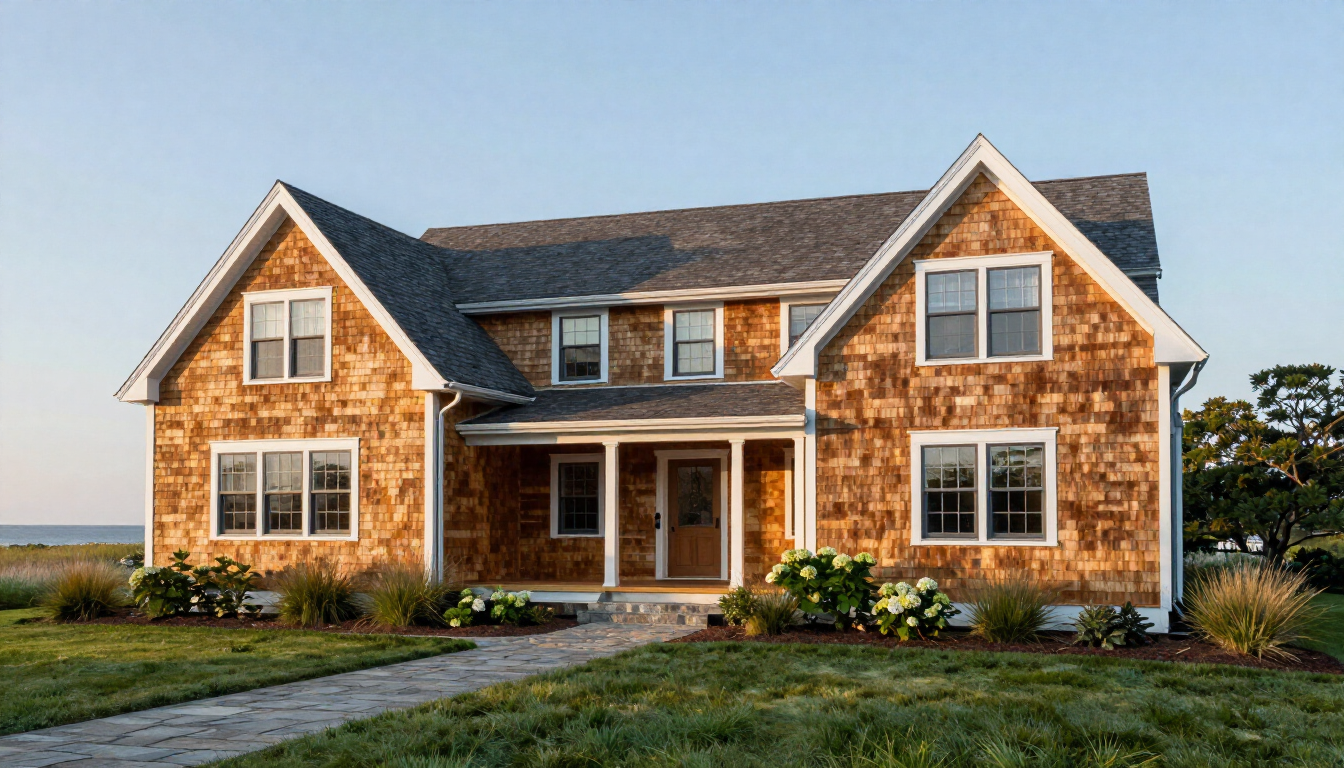
Why consider new construction real estate on Cape Cod?
New construction can be an excellent choice for buyers who want a home designed for current lifestyles rather than a property requiring immediate updates. New homes may provide open living areas, improved insulation, modern electrical systems, efficient heating and cooling, and better accessibility.
For buyers relocating to the region, building or purchasing a newly constructed home can also provide more control over location, layout, and finishes. However, Cape Cod construction has unique considerations. Coastal weather, limited lots, conservation requirements, local zoning, septic systems, wetlands, and seasonal contractor schedules can all affect the timeline and budget.
The right decision depends on more than whether a home looks new. Buyers should understand what is included, what remains unfinished, and which responsibilities belong to the builder, seller, and buyer.
What should you evaluate before choosing a builder?
A builder’s experience and communication style can have as much impact on the project as the architectural plans. Before signing a contract, ask for specific information rather than relying only on recommendations or marketing materials.
Review:
- Relevant experience with homes of similar size, design, and location
- References from recent clients and completed projects
- Licensing, insurance, warranty procedures, and subcontractor relationships
- A realistic construction schedule, including possible weather delays
- A clear process for change orders, selections, and progress updates
It is also helpful to visit completed projects when possible. Look beyond the finishes and consider workmanship, drainage, grading, landscaping, trim details, and how the home fits its surroundings. A knowledgeable local agent can help you identify questions to ask and coordinate communication throughout the process.
Chris’s experience renovating properties and managing new construction projects provides a practical perspective on the details that influence a successful outcome. His work with builders, subcontractors, and clients helps buyers assess both the opportunity and the risks.
Which details should be included in the construction contract?
A strong contract should define the project clearly enough that the buyer can understand the expected result, cost, and schedule. Vague language can lead to misunderstandings, unexpected expenses, or disagreements later.
Important contract components often include:
- A complete scope of work and approved building plans
- Materials, fixtures, appliances, finishes, and brands included in the price
- Allowances for items the buyer will select later
- A payment schedule tied to documented milestones
- Procedures and pricing for changes or upgrades
- Target completion date, delay provisions, and remedies
- Warranty coverage and the process for reporting defects
Buyers should also confirm whether the price includes site preparation, excavation, utility connections, septic work, permits, landscaping, driveways, decks, and final cleanup. These items can represent a significant portion of the total investment.
An attorney should review the purchase and construction documents before signing. Real estate guidance is valuable, but legal advice is essential when interpreting contractual obligations.
How do site conditions affect a Cape Cod building project?
The lot itself may determine the feasibility, cost, and schedule of new construction. A visually appealing parcel is not necessarily a simple building site. Before committing, buyers should investigate conditions that could affect design or permitting.
Key questions include:
- Is the lot fully buildable under local zoning requirements?
- Are wetlands, coastal restrictions, flood zones, or conservation rules involved?
- What type of septic system is permitted, and has the soil been evaluated?
- Are water, sewer, electric, and other utilities available at the site?
- Will ledge, poor drainage, grading, or access issues increase costs?
- Are there easements, shared driveways, or boundary questions to resolve?
Cape Cod municipalities may have different requirements, so buyers should not assume that approval in one town applies elsewhere. A builder, surveyor, engineer, septic professional, and local permitting officials may all contribute to the evaluation.
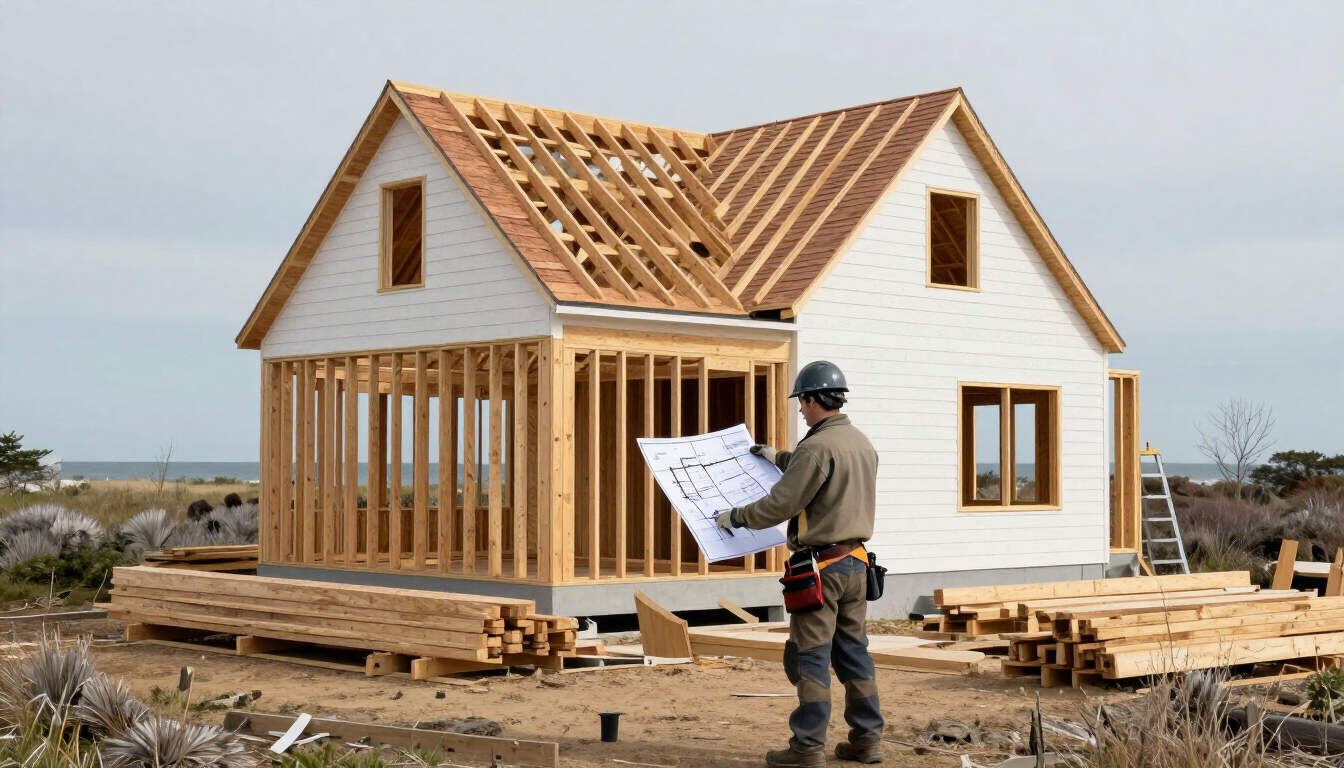
What inspections are needed for a new home?
New construction should still be inspected. A newly built home is not automatically free from defects, and an independent inspection gives the buyer an objective review before closing.
Depending on the project, inspections may include:
- Pre-construction or foundation review
- Framing and structural inspection
- Electrical, plumbing, and HVAC review
- Insulation and energy-efficiency assessment
- Final inspection before closing
- Septic, well, water quality, or specialized system testing
Buyers should understand the difference between a municipal building inspection and a private buyer inspection. Municipal inspections confirm compliance with applicable codes; a private inspector evaluates the property for the buyer’s interests and may identify workmanship concerns or incomplete items.
Create a written punch list and establish who will complete each item and by what date. If work will continue after closing, document the agreement carefully and confirm how funds, access, and completion will be handled.
How can buyers control costs and avoid surprises?
The advertised price is only one part of the financial picture. Buyers should calculate the complete cost of ownership, including upgrades, financing, insurance, taxes, utilities, and ongoing maintenance.
A practical budget should account for:
- Site work, permits, engineering, and utility connections
- Design upgrades and selections beyond standard allowances
- Appliances, window treatments, landscaping, fencing, and irrigation
- Construction-loan costs, rate changes, and carrying expenses
- Contingency funds for unexpected conditions or requested changes
Selections should be made promptly and documented in writing. Late decisions can delay a project or create rush charges. Buyers should also ask how allowances are calculated and what happens if the final selection costs more or less than the allowance.
Clear communication is one of the strongest forms of cost control. Regular updates help identify issues while solutions are still practical and affordable.
Working with an experienced local real estate professional
A local agent can support buyers before, during, and after a new construction transaction. That support may include comparing opportunities, reviewing disclosures, coordinating inspections, monitoring deadlines, communicating with the builder, and helping resolve questions before closing.
Chris brings more than 30 years of residential and commercial real estate experience throughout Cape Cod, the South Shore, and the Boston area. His background in renovation and new construction gives him an informed understanding of schedules, subcontractors, materials, and project details.
Explore the Find a Home page to begin comparing properties, or review available Services to understand how professional representation can support your plans. You can also Contact Us to discuss a specific lot, builder, or new construction opportunity.
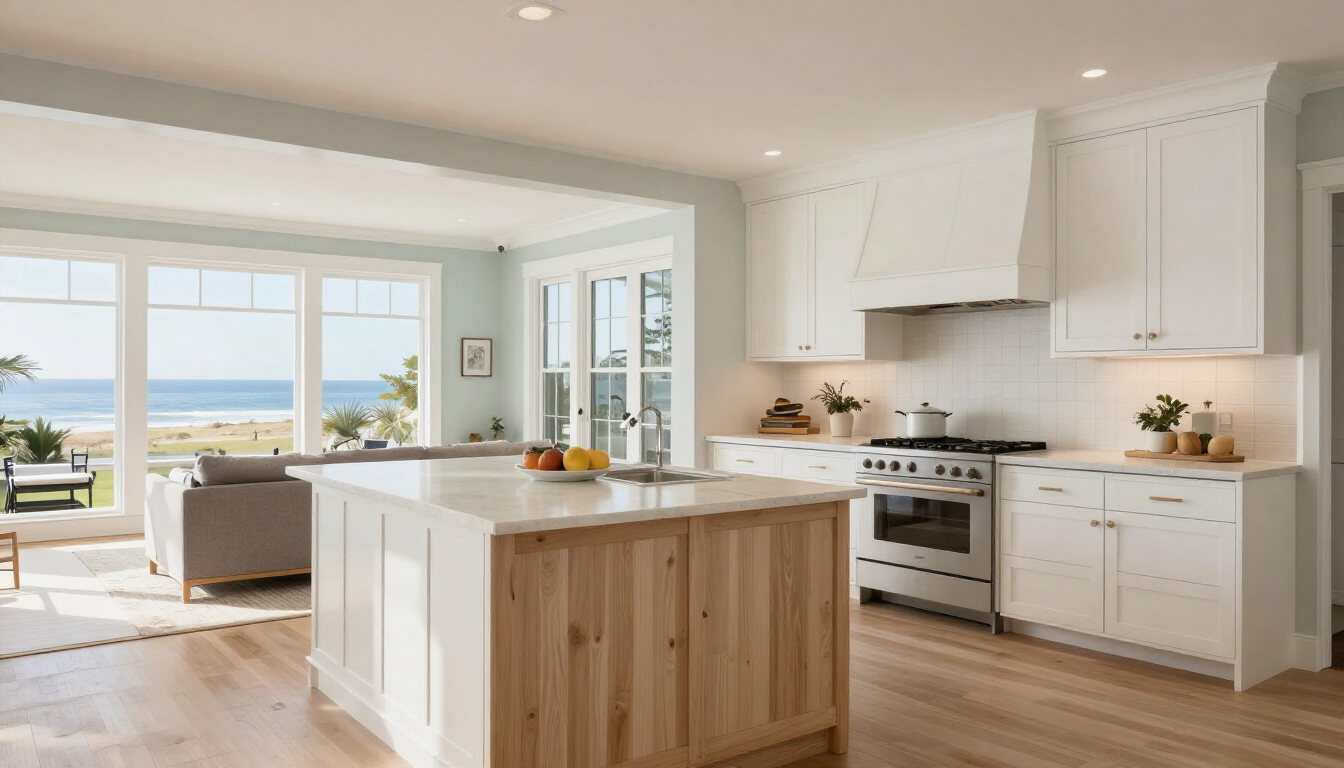
New construction buyer checklist
Before moving forward, confirm that you have:
- Researched the builder and reviewed comparable completed work
- Investigated zoning, site conditions, permits, septic, and utilities
- Reviewed plans, specifications, allowances, timelines, and warranties
- Estimated upgrades, site work, financing, and contingency costs
- Scheduled independent inspections and documented punch-list items
- Chosen qualified real estate, legal, lending, and inspection professionals
Final takeaways
New construction real estate on Cape Cod can offer comfort, efficiency, personalization, and fewer immediate repair needs. It also requires careful evaluation because site conditions, permitting, seasonal schedules, allowances, and contract language can materially affect the final result. Start by examining the builder and lot, then review every specification and cost with qualified professionals. Use inspections and written documentation to keep expectations clear from contract through closing. If you are comparing a new home, building opportunity, or renovation project, evaluate the complete investment—not only the model-home presentation—and choose guidance that helps you make a confident, well-informed decision.
Contact Us
We will get back to you as soon as possible.
Please try again later.