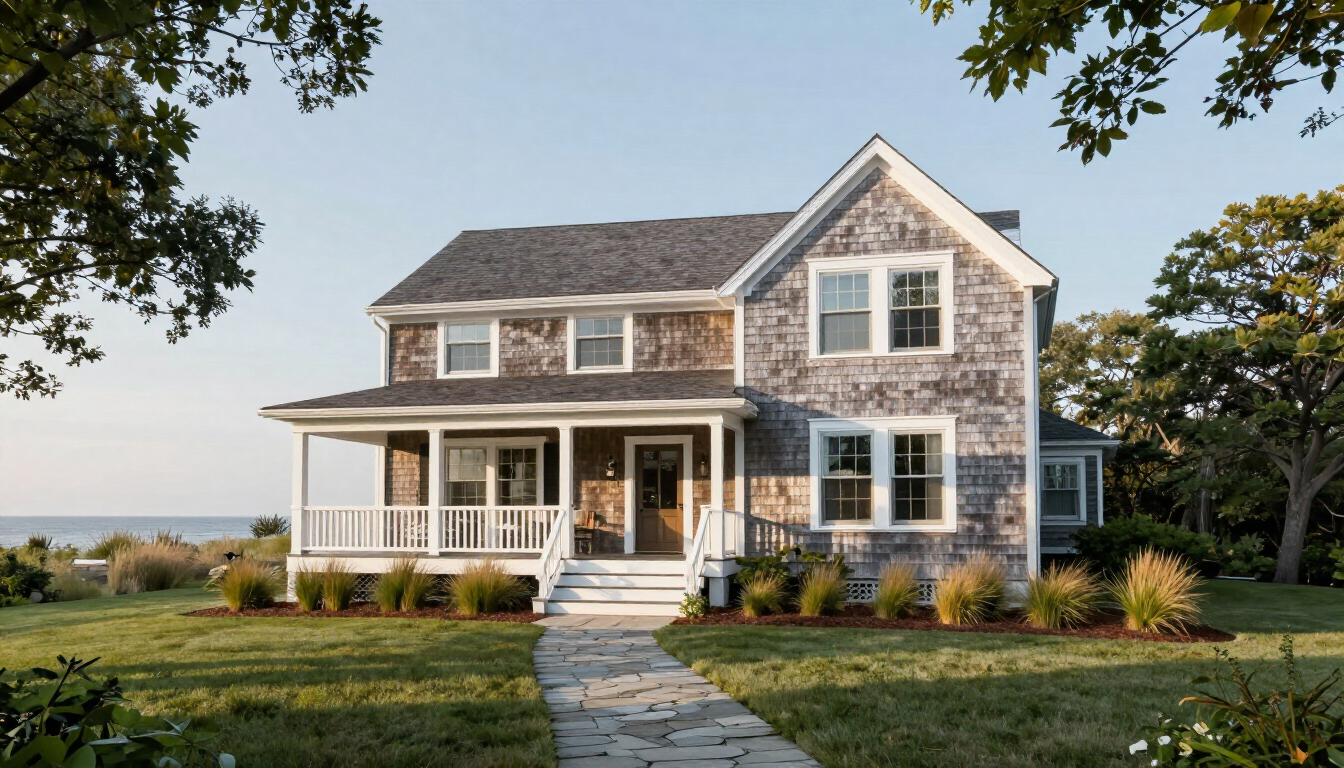
How to Fix and Flip in Cape Cod & Boston
Fix and flips in Cape Cod, the South Shore, and Boston can be profitable when investors buy below market value, control renovation costs, and choose projects with realistic resale demand. The strongest results come from conservative numbers, thorough inspections, reliable contractors, and a clear exit strategy before making an offer.
Is fix and flipping a good strategy in Massachusetts?
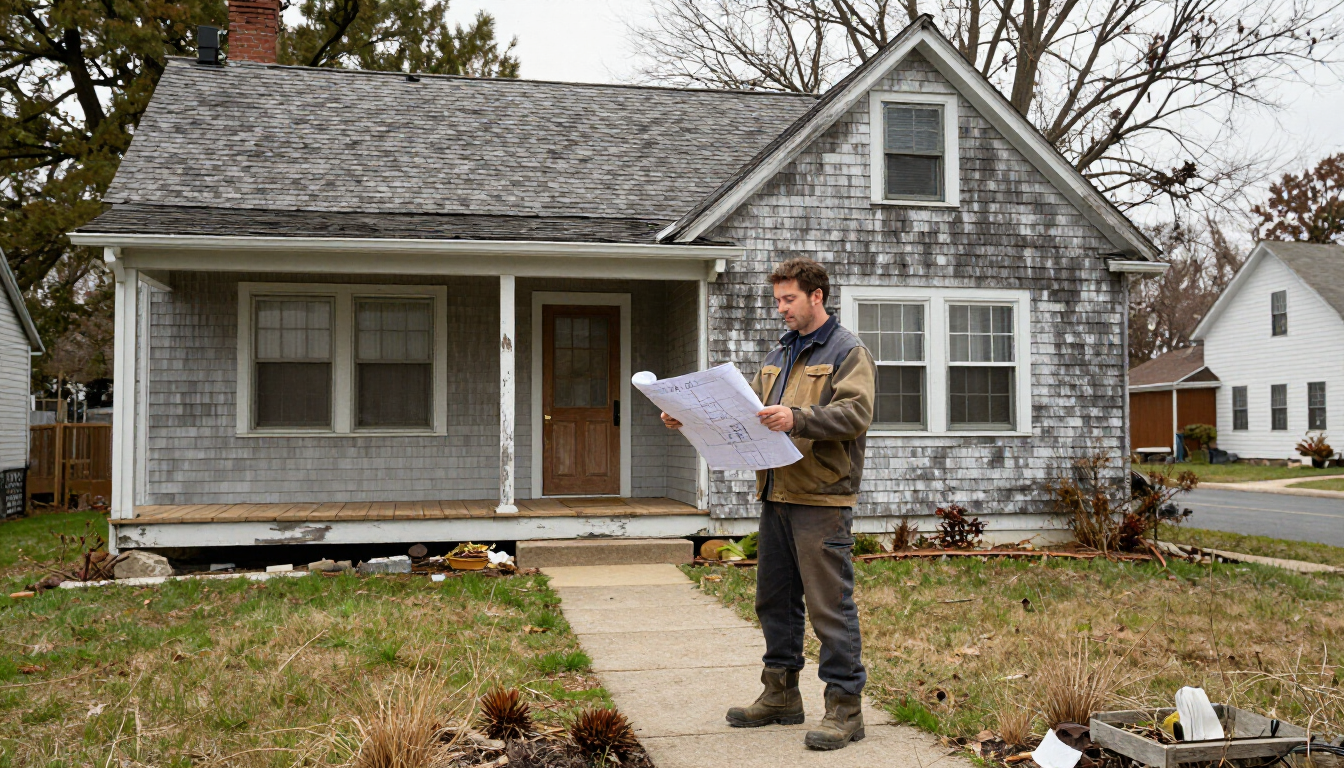
Fix and flipping can work in Massachusetts, but it is not simply a matter of buying an older property, remodeling it, and listing it for a higher price. Local market conditions, permitting requirements, labor costs, taxes, financing, insurance, and selling expenses can significantly affect the final return.
Cape Cod, the South Shore, and Boston are not one uniform market. A renovation that makes sense in a coastal community may not produce the same value in a Boston neighborhood or a South Shore suburb. Buyers may prioritize different features, including parking, outdoor space, energy efficiency, school districts, transit access, or proximity to beaches and employment centers.
Investors should evaluate every property individually and use current comparable sales rather than relying on broad market assumptions. A local real estate professional can help identify buyer demand, realistic resale pricing, and potential issues before you commit capital.
How do you find the right fix-and-flip property?
The right acquisition usually has a combination of location, manageable repairs, and a resale market deep enough to support your projected price. Look for properties where improvements solve clear problems that buyers already recognize.
Start by reviewing:
- Recent sold properties with similar size, condition, location, and features
- The property’s zoning, title, permits, flood exposure, and potential restrictions
- The likely renovation scope, including structural, electrical, plumbing, heating, and roofing concerns
- Buyer preferences in the specific neighborhood
- Your expected holding period and available financing
A discounted purchase price does not automatically make a property a good investment. A house can be inexpensive because it has major defects, limited resale demand, access problems, or restrictions that prevent your intended improvements.
Before submitting an offer, define your ideal project. For example, you might focus on cosmetic renovations, small additions, outdated kitchens and bathrooms, or properties that need better layout and presentation. A narrower acquisition strategy makes it easier to estimate costs and build a dependable contractor network.
What numbers should you calculate before buying?
Your analysis should include every expected cost, not only the purchase price and visible renovation work. A basic projected-profit calculation is:
Estimated profit = resale price − purchase price − renovation costs − carrying costs − transaction costs − contingency.
Include the following categories:
- Purchase price, deposit, inspection, appraisal, and lender fees
- Architectural, engineering, permit, utility, and municipal costs
- Materials, labor, demolition, dumpsters, landscaping, and cleanup
- Property taxes, insurance, utilities, interest, and maintenance during the project
- Realtor commissions, closing costs, transfer-related expenses, staging, and marketing
- A contingency reserve for unexpected repairs and price changes
Many investors use a contingency of at least 10% to 20%, depending on the age and complexity of the property. Older homes, coastal properties, historic buildings, and projects involving additions may require a larger reserve.
Stress-test the deal using a lower resale price, a longer renovation period, and higher construction costs. If the project only works under perfect conditions, the margin may not justify the risk.
Renovation priorities that support resale value
The best renovation is not always the most expensive renovation. Improvements should match the property, neighborhood, and likely buyer. A high-end finish package may be difficult to recover in a price-sensitive area, while a basic renovation may undershoot expectations in a luxury market.
Common value-supporting priorities include:
- Correcting safety, structural, water, electrical, and heating problems
- Improving kitchens and bathrooms with durable, broadly appealing finishes
- Repairing roofs, siding, windows, decks, and drainage where needed
- Creating better flow, storage, lighting, and usable living space
- Improving curb appeal, landscaping, energy efficiency, and overall cleanliness
Do not overlook items that affect buyer confidence. Proper permits, documentation, quality workmanship, and a clean final inspection can support a smoother sale. Unfinished details or questionable work can reduce offers even when the major renovation looks attractive.

How do Cape Cod, South Shore, and Boston projects differ?
Cape Cod
Cape Cod projects may benefit from demand for seasonal homes, year-round housing, and properties near beaches, villages, and amenities. However, investors should investigate flood zones, septic systems, wells, coastal regulations, winterization, short-term rental rules, and the limitations of working in a seasonal construction market.
A property’s proximity to the water does not guarantee a strong return. Insurance, erosion concerns, access, parking, and permitting can materially change the numbers. Buyers may also expect outdoor living spaces and durable materials suited to coastal conditions.
South Shore
The South Shore includes a wide range of communities, from commuter-oriented towns to coastal neighborhoods and established residential areas. Demand may be influenced by schools, commuter access, lot size, local services, and proximity to Boston.
Renovations that improve function, storage, work-from-home space, and family living areas may appeal to local buyers. Confirm municipal requirements early, especially if the project involves additions, accessory units, decks, or changes to septic and drainage systems.
Boston area
Boston-area projects often require careful attention to location, parking, transit access, building type, zoning, and neighborhood-specific buyer expectations. Construction logistics can be more complicated because of limited parking, tight lots, older buildings, shared walls, and stricter permitting or historic considerations.
The resale strategy may differ substantially between a single-family home, condominium, two-family property, or small multifamily building. Review condominium documents, rental rules, common expenses, and any required approvals before finalizing your projections.
What risks can reduce a fix-and-flip profit?
Fix and flips carry risks at every stage. The most common problems include underestimating repairs, overestimating resale value, project delays, contractor disputes, changing material prices, financing costs, and slower-than-expected buyer demand.
Massachusetts properties may also present hidden conditions such as old wiring, underground oil tanks, asbestos-containing materials, lead paint, water intrusion, foundation movement, failed septic systems, or drainage problems. A standard home inspection may identify concerns, but specialized evaluations may be appropriate depending on the property.
Protect your project by:
- Completing appropriate inspections before the purchase deadline
- Using written contractor scopes, schedules, payment terms, and change-order procedures
- Confirming licenses, insurance, references, and experience with comparable work
- Keeping project records, invoices, permits, warranties, and before-and-after photos
- Maintaining a cash reserve beyond the initial construction budget
A professional team cannot eliminate risk, but it can help identify and manage it earlier.
How should you prepare the property for resale?
Begin planning the resale before construction starts. Identify the target buyer, expected price range, competing listings, and features that will distinguish the property. Your renovation decisions should support that buyer rather than reflect only your personal preferences.
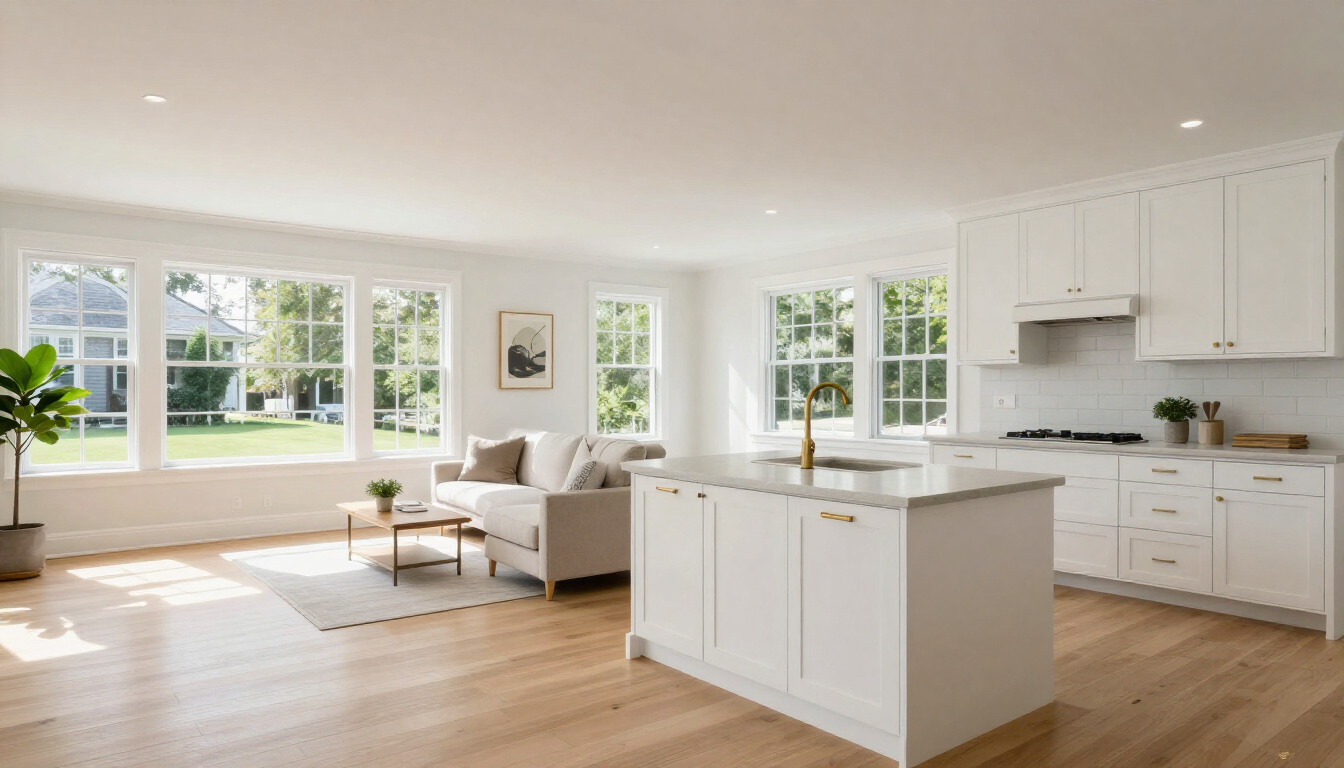
Near completion, schedule a detailed punch list and address small defects before photography and showings. Consider professional staging, high-quality photography, accurate disclosures, and a launch plan that creates strong first impressions.
Working with an experienced local agent can help you determine whether the property is priced appropriately and how it should be positioned. If you are ready to discuss a purchase, renovation, or resale plan, you can contact True Value Properties . For owners considering a sale, List With Me provides another way to review the listing process.
A practical fix-and-flip checklist
Before moving forward, confirm that you can answer these questions:
- What is the property’s realistic resale value based on recent comparable sales?
- Which repairs are necessary, and which upgrades are optional?
- Have you included permits, financing, taxes, insurance, selling costs, and contingency?
- Who will complete the work, and how will quality and progress be monitored?
- What is your backup plan if the project takes longer or sells for less?
Final takeaway
Successful fix and flips in Cape Cod, the South Shore, and Boston depend on disciplined evaluation more than enthusiasm. Focus on location-specific buyer demand, verify the property’s condition, build a complete budget, and maintain a meaningful contingency. Choose improvements that solve real problems and support the likely resale audience, then prepare the marketing strategy before construction is finished. If the numbers remain attractive after conservative stress testing, consult qualified professionals and move forward with a written plan. If the margin disappears under realistic assumptions, it is usually better to reject the deal and wait for a stronger opportunity.
Contact Us
We will get back to you as soon as possible.
Please try again later.